The Ethiopian Coffee Ceremony, Guide by Guide
Roasting, grinding, three rounds and the jebena. Why you haven’t had real coffee until you’ve shared one in an Ethiopian home.
Mule Ethiopia Tour — Local Team
Addis Ababa · Licensed Ethiopian Tourism Guides
Mule Ethiopia Tour — Local Team
Addis Ababa · Licensed Ethiopian Tourism Guides
The Birthplace of Coffee
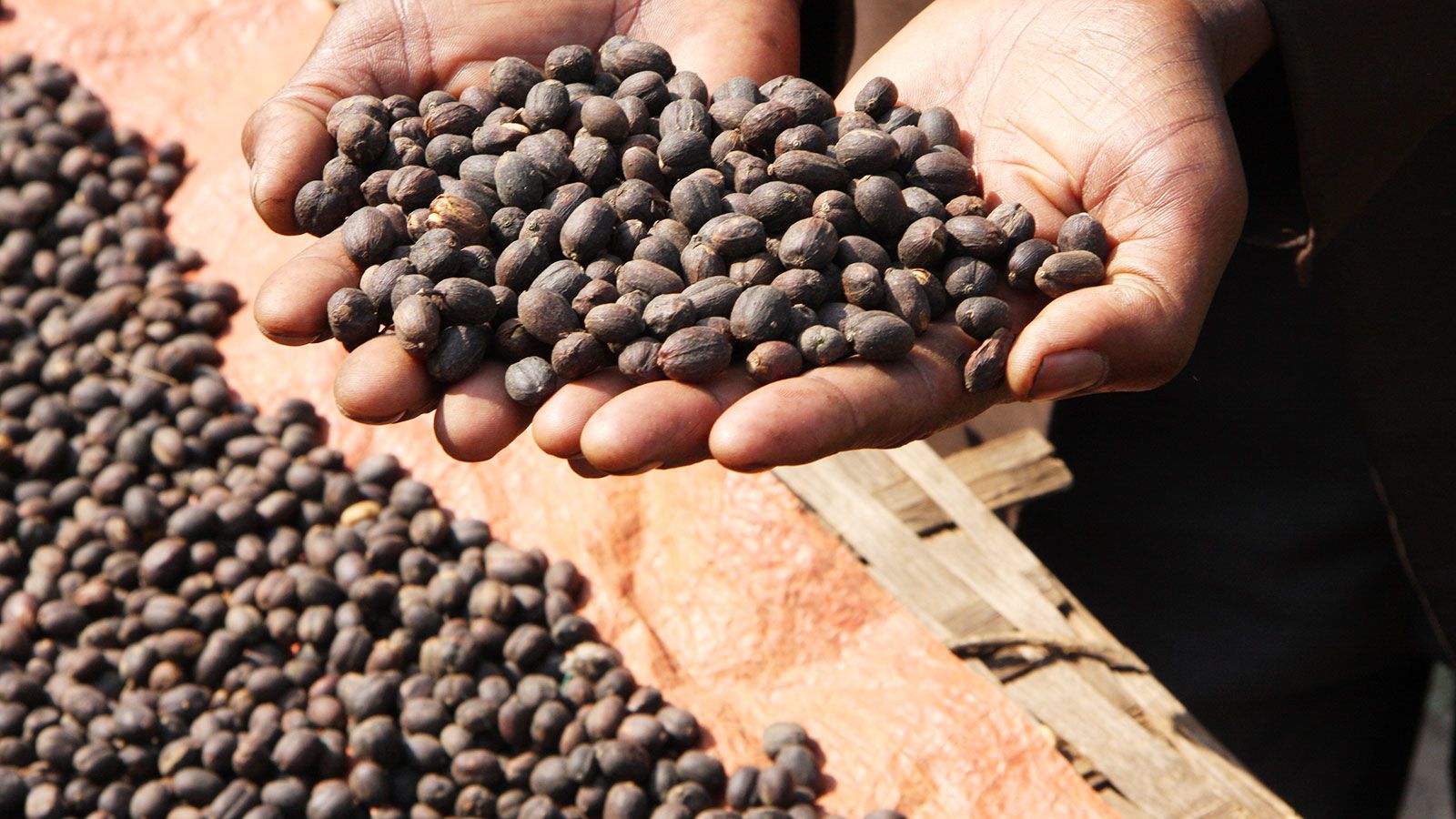
Ethiopia is the undisputed birthplace of Coffea arabica, and here, coffee (buna) is much more than a morning pick-me-up. It is a vital social glue, a gesture of hospitality, and a daily ritual that brings friends, family, and neighbors together. The traditional Ethiopian coffee ceremony is an experience no visitor should miss.
The Ritual
The ceremony begins with the roasting of green coffee beans over a small charcoal stove. The hostess gently wafts the smoke toward her guests, allowing them to appreciate the rich aroma. The roasted beans are then ground in a traditional wooden mortar and pestle (mukecha and zenezena).
The Jebena
The ground coffee is boiled in a black clay pot called a jebena. The pouring is an art form; the coffee is poured from a height into small handleless cups (cini) without spilling a drop. It is typically served with copious amounts of sugar, and sometimes a sprig of the herb tena adam (rue).
The Three Cups
A complete ceremony involves three rounds of coffee. The first cup (Abol) is the strongest. The second (Tona) is slightly weaker as more water is added to the jebena. The third (Baraka) is the weakest, but it is considered a blessing. Sipping all three cups is a sign of respect and appreciation for the host.
Continue Reading