The Mysteries of Lalibela: Monolithic Marvels
How King Lalibela built a New Jerusalem, carving eleven extraordinary churches downwards into solid rock.
Mule Ethiopia Tour — Local Team
Addis Ababa · Licensed Ethiopian Tourism Guides
Mule Ethiopia Tour — Local Team
Addis Ababa · Licensed Ethiopian Tourism Guides
A New Jerusalem
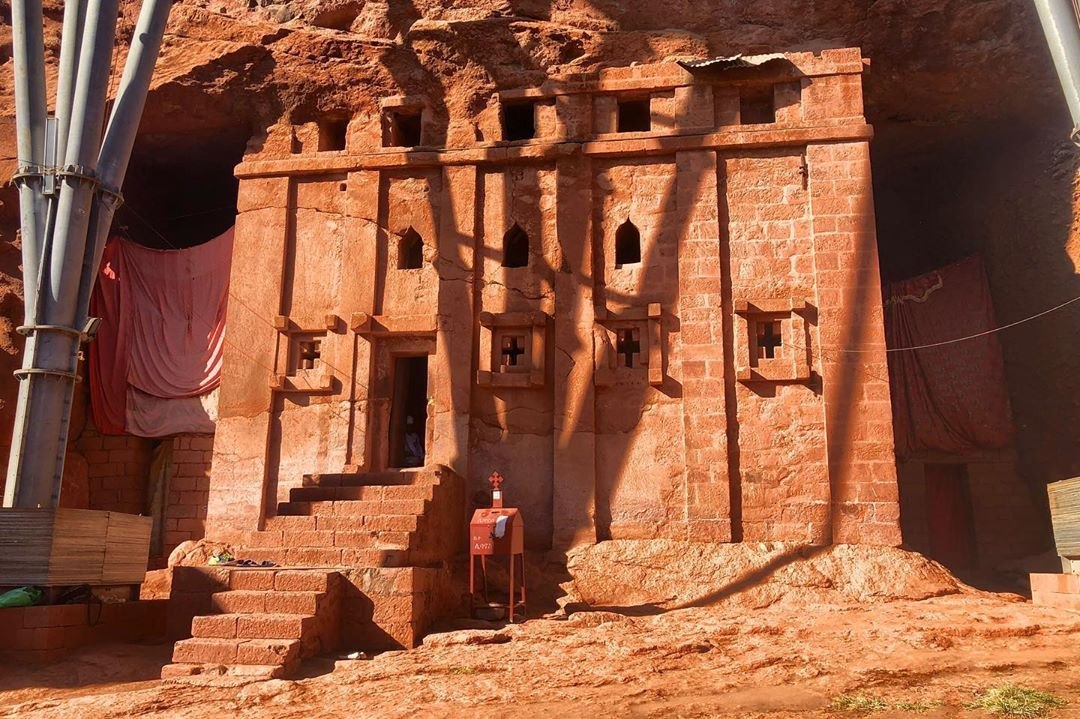
In the 12th century, following the capture of Jerusalem by Muslim forces, King Lalibela of the Zagwe dynasty set out to create a "New Jerusalem" in the Ethiopian highlands. The result is one of the world’s most astounding architectural achievements: eleven magnificent churches carved entirely out of solid volcanic rock.
Architecture from the Top Down
Unlike standard buildings constructed from the ground up, the churches of Lalibela were excavated downwards. Craftsmen first carved wide trenches to isolate a massive block of rock, then meticulously hollowed it out, carving doors, windows, columns, and roofs. Bete Giyorgis (Church of St. George), shaped like a perfect cross, is the most iconic example of this technique.
A Living Faith
Lalibela is not merely an archaeological site; it is a vibrant center of Ethiopian Orthodox Christianity. Monks inhabit the caves, and pilgrims draped in traditional white cotton (netela) flock to the churches daily. The atmosphere, heavy with frankincense and the chanting of priests, feels unchanged for centuries.
Exploring the Trenches
The churches are connected by a labyrinthine network of narrow tunnels and deep trenches. Navigating these passageways, sometimes in total darkness, adds an element of adventure and profound mystery to the visit. Our guides illuminate the rich history and symbolic meaning woven into every carved detail.
Continue Reading